Open-water swimming is a popular activity for many people who want to enjoy nature and a refreshing experience. However, it’s important to note that open-water swimming comes with not only advantages but also disadvantages and even risks. Therefore, before you dive into the waters of lakes, reservoirs, oceans, or rivers, carefully consider your abilities and the equipment you have available.
Let’s take a look together at the pros and cons of open-water swimming.
Advantages
-
Natural environment: Open-water swimming allows you to experience the beauty of nature and admire the surrounding landscape from a different perspective. You can enjoy peaceful lakes, enchanting rivers, and the refreshing sea.
-
Freedom of movement: In open water, you don’t have the same restrictions as in a pool. You can fully immerse yourself in the water, swim longer distances, and discover new places.
-
Physical Challenge: Open-water swimming is more challenging than swimming in a pool because you have to contend with natural conditions such as currents, waves, and water temperature. This strengthens your physical fitness and endurance.

Disadvantages
-
Safety: Open-water swimming can be dangerous, especially if you are unfamiliar with the area or do not use the proper equipment. It is important to monitor the weather, follow safety guidelines, and swim in areas designated for recreational swimming.
-
Natural Conditions: Open water can have variable conditions, such as temperature changes, strong currents, and unexpected waves. It’s essential to be prepared for various situations and know how to handle them.
-
Limited Supervision: In open water, you don’t have lifeguard supervision like you do in a pool. This means the responsibility is entirely yours.
Safety
Although swimming in reservoirs or sand pits isn’t as dangerous as swimming in the ocean, where you have to battle waves and currents, it’s a good idea to follow the rules of safe swimming.
-
Swim in areas designated for recreational swimming and where there is adequate supervision.
-
Let others know that you’re going swimming.
-
Bring a life buoy with you in case you run out of strength.
-
Check the weather conditions and forecast to avoid dangerous situations, such as thunderstorms or strong winds.
-
Be mindful of your physical condition and do not swim too far from shore if you are unsure of your abilities.

What should you bring?
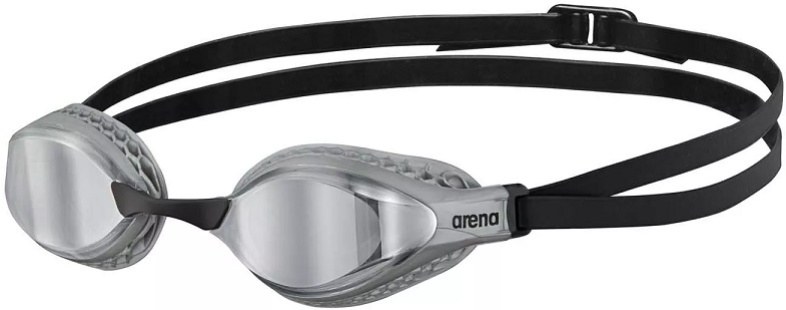
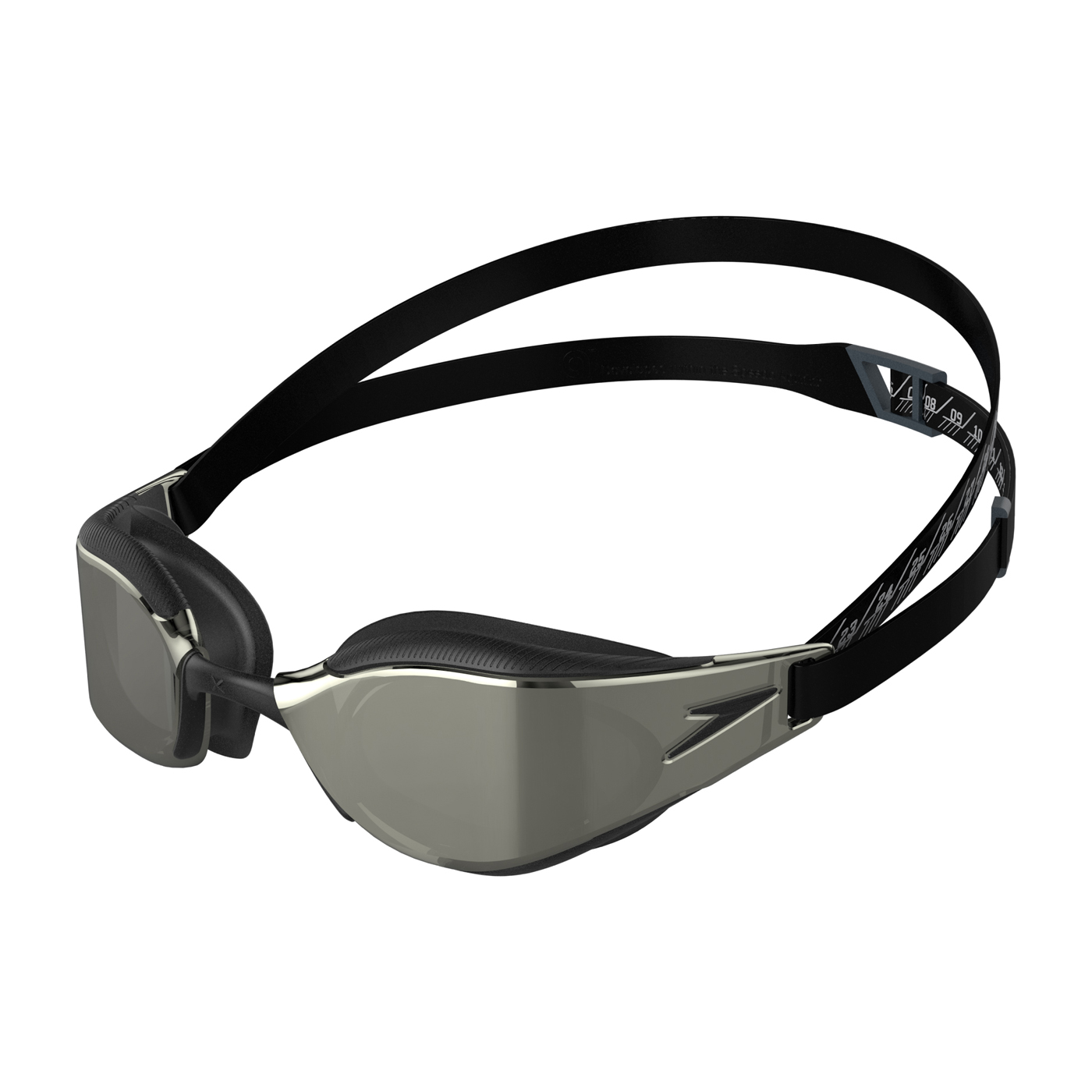
First and foremost, be sure to bring swimming
goggles—they’ll help you see where you’re swimming and allow you to stay on course. A swim
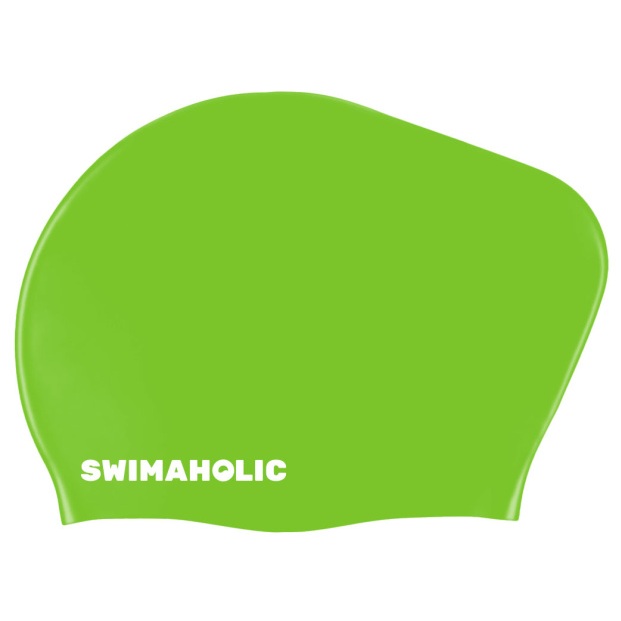
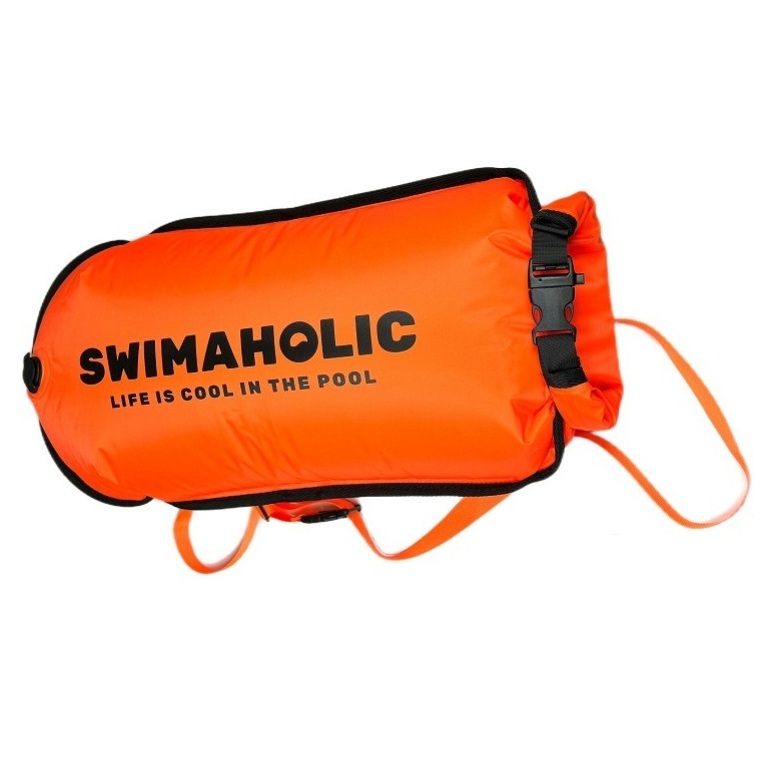
cap is mainly for women, but a brightly colored cap can help improve your visibility in open water—for example, so you can be seen from the shore. We also recommend bringing a swim float, ideally in a bright color like orange. This will make you visible to boats and people on shore. And if you run out of energy, you can hold onto the float and rest. Finally, we recommend bringing drinking water with you to shore and applying sunscreen before swimming, because you can get quite sunburned in the water.
Open water is also the setting for long-distance swimming races and the vast majority of triathlons. Competitions are usually held in lakes, oceans, or rivers. Swimmers must cope with natural conditions such as currents, waves, water temperature, and navigation in open water—which is usually the most difficult part and can cause them to swim several extra kilometers. Races can vary in length, ranging from short distances of around 1 km to extreme distances, such as swimming across straits.
It is also important to emphasize that open-water swimming is not for non-swimmers, and we recommend it primarily for more experienced swimmers due to the limited supervision available from lifeguards or other people.